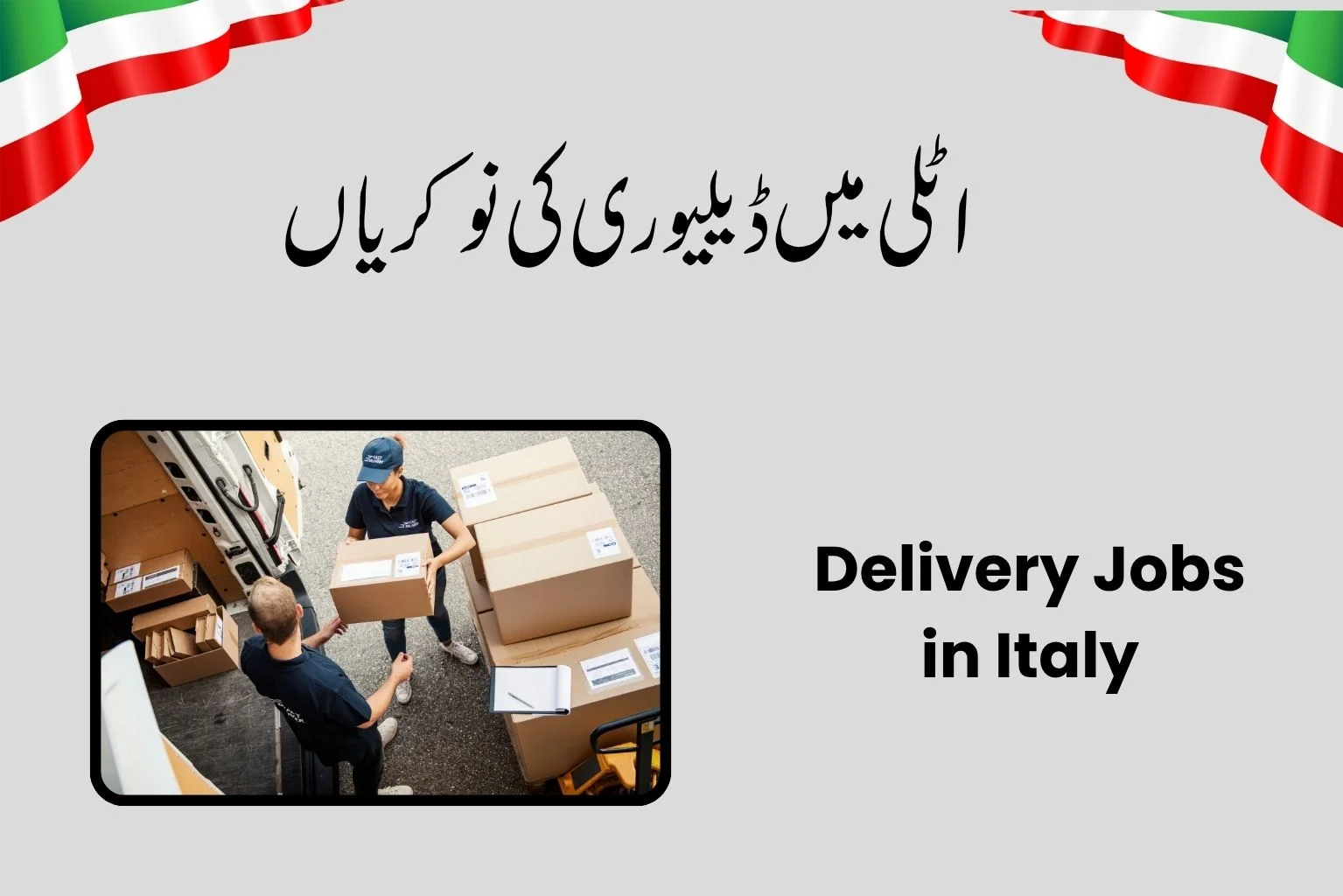
Delivery jobs in Italy are attracting workers who want practical employment opportunities in one of Europe’s major economies. From food delivery riders and parcel couriers to van delivery drivers, the sector offers different types of work depending on experience, driving qualifications, language skills, and location.
For international applicants, delivery work can be particularly interesting because some positions focus more on driving ability, reliability, navigation, customer service, and practical experience than on university-level qualifications.
Depending on the employer, working hours, overtime, experience, and location, experienced full-time delivery workers may target earnings around €2,000–€2,500 per month. However, this should be treated as an indicative target rather than a guaranteed salary. Actual pay can be substantially different, particularly for part-time riders, self-employed couriers, or entry-level workers.
For applicants outside the European Union, getting a job and getting legal authorization to work are two separate steps. Italy generally requires non-EU workers coming from abroad to follow the applicable immigration and work-entry procedure. The country’s 2026–2028 Decreto Flussi program provides annual quotas for legal employment from abroad. For 2026, the government has authorized 76,200 non-seasonal subordinate workers, 650 self-employed workers, and 88,000 seasonal workers.
This guide explains delivery jobs in Italy, expected salaries, requirements, skills, documents, work visa procedures, job-search websites, and the steps international applicants can take to pursue these opportunities.
Why Choose Delivery Jobs in Italy?
Delivery work can be a useful career option for people who prefer active jobs instead of office-based employment.
Some potential advantages include:
- Opportunities in major cities and commercial areas
- Several types of delivery positions
- Possibility of full-time or part-time work depending on employer
- Opportunities for drivers with relevant licences and experience
- Relatively practical entry requirements for some positions
- Experience that can lead to logistics, transportation, or warehouse careers
- Demand connected to e-commerce, restaurants, retail, and distribution
- Potential for overtime or additional shifts in certain positions
Delivery workers may work for restaurants, supermarkets, courier companies, logistics businesses, e-commerce companies, wholesalers, and local retailers.
However, international applicants should not assume that every delivery vacancy provides visa sponsorship. For applicants who are not already legally entitled to work in Italy, the employer and immigration process are critical.
Types of Delivery Jobs in Italy
The Italian delivery sector includes much more than food delivery. Applicants can search for different roles based on their vehicle, licence, experience, and qualifications.
1. Food Delivery Rider
Food delivery riders collect meals from restaurants and deliver them to customers.
Depending on the employer and arrangement, riders may use:
- Bicycle
- E-bike
- Scooter
- Motorcycle
- Car
Typical duties include accepting delivery assignments, collecting orders, checking addresses, navigating routes, delivering food safely, and communicating with customers.
This role can be suitable for people with good local navigation skills and basic Italian communication abilities.
2. Courier and Parcel Driver
Courier drivers transport parcels, documents, packages, and other goods between distribution centres, businesses, and residential addresses.
Responsibilities may include:
- Loading packages
- Checking delivery lists
- Planning routes
- Delivering parcels
- Obtaining delivery confirmation
- Handling customer questions
- Reporting unsuccessful deliveries
- Following road and company safety rules
Experience with courier or logistics work can be valuable.
3. Van Delivery Driver
Van delivery drivers typically transport larger quantities of goods than motorcycle or bicycle couriers.
They may deliver:
- Supermarket orders
- Retail products
- Furniture
- Food supplies
- Business packages
- Warehouse shipments
- E-commerce orders
Depending on the vehicle and job, an appropriate driving licence is essential.
4. E-Commerce Delivery Driver
Online shopping has created opportunities for drivers who deliver packages directly to consumers.
These positions can involve multiple deliveries during one shift and require efficient route planning, punctuality, and careful handling of packages.
5. Grocery Delivery Driver
Grocery delivery workers collect customer orders from supermarkets, warehouses, or stores and transport them to homes.
The job can involve lifting boxes and grocery bags, so physical fitness and safe handling techniques can be important.
6. Warehouse-to-Customer Delivery Worker
Some logistics businesses combine warehouse duties with delivery work. An employee might prepare orders at a warehouse and then transport them to customers or retail locations.
This can be useful for candidates interested in eventually moving into logistics or warehouse supervision.
Delivery Jobs in Italy Salary – €2,000–€2,500 Monthly
A salary of €2,000–€2,500 per month can be used as a target range for experienced, full-time delivery and driving positions, particularly where the role includes longer working hours, additional responsibilities, overtime, or specialized delivery duties.
However, not every delivery position will reach this amount.
| Position | Indicative Monthly Target | Main Requirements |
|---|---|---|
| Food Delivery Rider | €1,200–€2,000+ | Bicycle/scooter, smartphone, navigation |
| Courier/Parcel Driver | €1,600–€2,400 | Driving licence, route knowledge |
| Van Delivery Driver | €1,700–€2,500+ | Appropriate licence, driving experience |
| E-commerce Driver | €1,600–€2,400 | Driving, customer service |
| Grocery Delivery Driver | €1,500–€2,300 | Driving/routing, physical fitness |
| Experienced Delivery Driver | €2,000–€2,500+ | Experience, licence, reliability |
Important: These are indicative ranges for article and job-search purposes, not guaranteed salaries. Actual gross or net income depends on the employment contract, province, working hours, overtime, taxes, social contributions, vehicle arrangements, and employer.
Applicants should always verify the salary and contract conditions directly with the employer before accepting a position.
Popular Locations for Delivery Jobs
Delivery opportunities can be found throughout Italy, although large urban and commercial areas may offer more logistics activity.
Job seekers can explore opportunities in cities and regions such as:
- Milan
- Rome
- Turin
- Bologna
- Florence
- Naples
- Genoa
- Verona
- Padua
- Venice
- Brescia
- Parma
- Modena
Milan and other northern Italian commercial centres have extensive retail, logistics, e-commerce, and business activity. However, applicants should search nationally instead of limiting themselves to one city.
Eligibility Requirements
Requirements depend on the job and the applicant’s immigration status.
Common requirements for delivery positions include:
- Minimum legal working age
- Valid identification
- Relevant work experience where requested
- Ability to follow delivery instructions
- Basic customer-service skills
- Smartphone familiarity
- Navigation and route-planning skills
- Physical ability to handle packages where required
- Driving licence for driving positions
- Legal authorization to work in Italy
For non-EU applicants coming from abroad, an important additional requirement is obtaining the correct immigration authorization.
Italy’s official immigration information states that non-EU citizens can access the Italian labour market either when they are already legally resident with an appropriate work-authorizing permit or from abroad under the annual Decreto Flussi quotas, subject to applicable rules and exceptions.
Skills Employers Look For
A successful delivery worker needs more than the ability to travel from one location to another.
Driving Skills
Van and courier drivers need safe driving habits and the appropriate licence for the vehicle.
Navigation
Drivers should be comfortable using GPS, maps, smartphones, and route-planning applications.
Time Management
Delivery work often involves multiple stops and deadlines. Workers must organize their routes efficiently.
Customer Service
Professional communication can make a major difference when dealing with customers, restaurants, shops, warehouses, and dispatch teams.
Reliability
Employers want workers who arrive on time, follow delivery instructions, and handle packages responsibly.
Physical Fitness
Some jobs involve loading, unloading, lifting, and carrying packages.
Italian Language Skills
Italian is not necessarily required at the same level for every position, but basic Italian can make communication with customers, dispatchers, employers, and authorities much easier.
Documents You May Need
The exact document requirements depend on the job and immigration procedure.
An international applicant may need:
- Valid passport
- Updated CV/resume
- Passport-size photographs
- Driving licence
- International driving documentation where applicable
- Previous employment certificates
- Reference letters
- Education or training certificates, if requested
- Job offer or employment contract
- Work authorization documents
- Nulla Osta where required
- Italian work visa
- Residence permit
- Proof of accommodation where required
- Medical or other documents when specifically requested
Do not submit false documents or misleading information. Immigration and employment applications should contain accurate information.
Italy Work Visa Requirements for Non-EU Delivery Workers
This is one of the most important issues for international applicants.
A person outside the EU cannot normally simply travel to Italy on a tourist visa and begin working as a delivery driver.
For subordinate employment, Italy generally requires a work authorization (Nulla Osta) from the Italian immigration authorities before the relevant visa process. Italian government information explains that non-EU workers entering from abroad normally access employment through the applicable annual immigration quotas, except for specific categories that can enter outside the quotas.
How the 2026 Process Works
The 2026 Decreto Flussi provides quotas for foreign workers.
For 2026, the program includes:
- 76,200 non-seasonal subordinate workers
- 650 self-employed workers
- 88,000 seasonal workers
The 2026 applications were organized around designated click day dates, including 16 February 2026 for non-seasonal subordinate employment. Applications can continue to be submitted until 31 December 2026, subject to quota availability.
This does not mean every delivery job automatically qualifies for a work visa. The occupation, employer, contract, applicable quota, and immigration rules must all be considered.
For a worker applying from outside Italy, the employer generally plays a central role in the authorization process.
After the required authorization is granted, the applicant can follow the relevant Italian consular procedure for the employment visa.
Italian diplomatic guidance confirms that non-EU citizens intending to work in Italy need a work visa and, after entering Italy, must apply for the appropriate residence permit.
Step-by-Step: How to Apply for Delivery Jobs in Italy
Step 1: Prepare Your CV
Create an English and, if possible, Italian version of your CV.
Mention:
- Driving experience
- Vehicle types operated
- Delivery experience
- Previous employers
- Licence category
- Customer-service experience
- GPS/navigation skills
- Languages
- Availability
Step 2: Check Your Driving Licence
If you are applying for a van or courier-driver position, determine whether your licence is recognized for the intended work in Italy and whether conversion or additional requirements apply.
Do not assume that every foreign driving licence automatically provides long-term authorization to drive professionally in Italy.
Step 3: Search for Vacancies
Useful sources include the Italian Ministry of Labour’s Cliclavoro portal and other reputable job platforms.
Cliclavoro – Italian Ministry of Labour Job Portal
You can also research opportunities through:
EURES – European Job Mobility Portal
Search terms can include:
- Autista consegnatario
- Autista furgone
- Corriere
- Addetto alle consegne
- Driver consegne
- Rider
- Corriere espresso
- Autista patente B
Step 4: Apply Directly
Upload your CV and provide accurate information.
When contacting an employer, clearly state whether you already have legal authorization to work in Italy.
If you are outside the EU and require sponsorship or immigration processing, be honest about this from the beginning.
Step 5: Receive a Genuine Job Offer
Before accepting an offer, check:
- Employer’s legal name
- Work location
- Job title
- Salary
- Working hours
- Contract type
- Overtime conditions
- Accommodation, if offered
- Vehicle arrangements
- Insurance
- Start date
- Visa/work authorization arrangements
Step 6: Employer Starts the Immigration Procedure
Where applicable, the Italian employer submits the necessary request for authorization through the relevant immigration process.
Do not pay an unknown person for a supposed guaranteed Nulla Osta.
Step 7: Apply for the Work Visa
Once the necessary authorization is available, the applicant follows the relevant Italian consular visa procedure in their country of residence.
The exact documents and appointment procedure can vary by consulate.
Step 8: Travel to Italy
After the visa is approved, the worker can travel according to the visa conditions.
After arrival, the worker must complete the required residence and employment formalities.
Italy’s updated rules introduced in 2026 provide for a 30-day term for issuing the single work permit after completion of the application process following entry, subject to the applicable rules and procedure.
How to Avoid Delivery Job Scams
International job seekers should be especially careful when searching for overseas employment.
Be cautious if someone promises:
- Guaranteed Italian work visa
- Guaranteed €2,500 salary without an interview
- Guaranteed Nulla Osta for a large upfront payment
- A job without a contract
- A visa without an employer
- Employment using a tourist visa
- Fake documents or certificates
A legitimate employer should be able to provide clear information about the position, contract, location, and employment conditions.
Use official government sources whenever possible to verify immigration requirements.
Best Websites to Find Delivery Jobs in Italy
Cliclavoro
Cliclavoro is operated by Italy’s Ministry of Labour and Social Policies and provides employment and labour-market information.
EURES
EURES is the European employment mobility network and is particularly useful for people researching employment opportunities within the European labour market.
Italian Government Immigration Information
For non-EU applicants, official immigration information is essential when researching work-entry requirements.
Italy Immigration Portal – Work Entry Information
The official 2026 Flussi information confirms that quotas and procedures apply to foreign workers entering Italy from abroad.
Frequently Asked Questions
1. How much can a delivery driver earn in Italy?
Experienced full-time delivery drivers may target approximately €2,000–€2,500 per month, depending on the employer, location, hours, overtime, vehicle type, and contract. Entry-level and part-time delivery positions can pay less.
2. Can foreigners apply for delivery jobs in Italy?
Yes, foreigners can apply, but the immigration requirements depend on their citizenship and current residence status. Non-EU citizens generally need appropriate authorization to work legally in Italy. Applicants coming from abroad may be subject to the Decreto Flussi system or another applicable immigration pathway.
3. Can I get an Italy work visa for a delivery driver job?
Potentially, but there is no automatic visa simply because someone has experience as a delivery driver. The employer, job, employment contract, applicable immigration category, quota availability, and legal requirements must all be satisfied.
4. Do delivery drivers need an Italian driving licence?
The answer depends on the applicant’s existing licence, nationality, length of stay, vehicle, and applicable Italian rules. Applicants should verify whether their licence can be used, converted, or supplemented before accepting a driving position.
5. Is Italian language required for delivery work?
Not every employer has identical language requirements. However, basic Italian can be highly useful because delivery workers communicate with customers, dispatchers, restaurants, warehouses, and employers.
6. Where can I find delivery jobs in Italy?
Start with reputable employment sources such as Cliclavoro and EURES, then check established employers and logistics companies directly. Search using Italian terms such as corriere, autista consegnatario, addetto alle consegne, and autista furgone.
Conclusion
Delivery jobs in Italy can provide opportunities for people with driving experience, good navigation skills, reliability, and a strong work ethic. Food delivery riders, parcel couriers, e-commerce drivers, grocery delivery workers, and van drivers all have different responsibilities and requirements.
For experienced full-time workers, €2,000–€2,500 per month can be a useful salary target, although actual earnings depend heavily on the employer, location, contract, working hours, and overtime.
International applicants should pay particular attention to immigration requirements. A job offer does not automatically provide permission to work in Italy. Non-EU workers coming from abroad generally need to follow the appropriate work authorization and visa procedure, with many employment routes operating under Italy’s Decreto Flussi quota system.
The best approach is to prepare a professional CV, search reputable Italian employment portals, apply directly to genuine employers, verify the contract and salary, and carefully follow the official immigration process.
If you have delivery, courier, driving, logistics, or customer-service experience, start researching available positions and prepare your documents now. With the right qualifications and legal authorization, delivery work can be a practical route toward building professional experience in Italy.