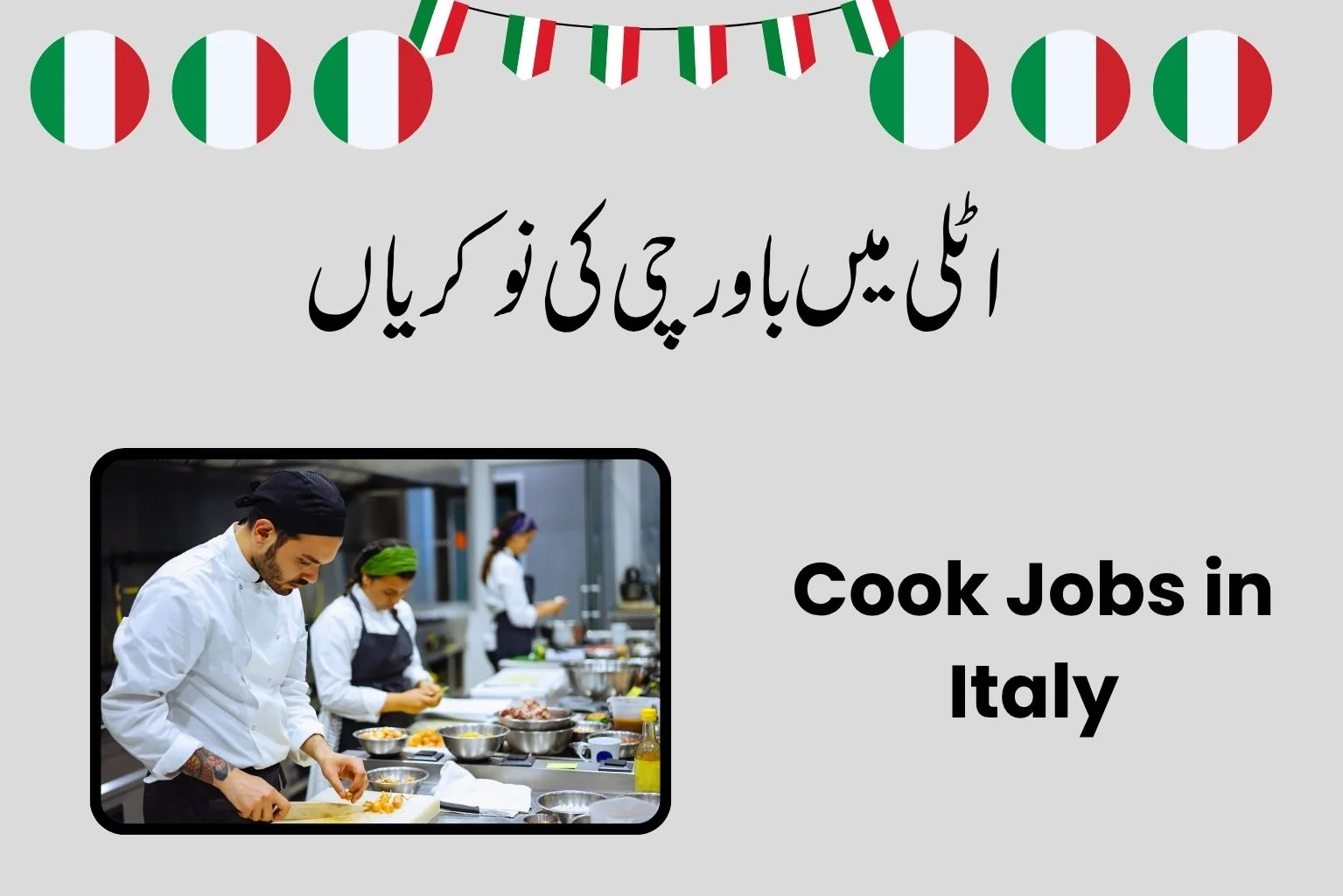
Italy is famous around the world for its food, restaurants, hotels, resorts, and hospitality industry. Behind this internationally recognized culinary culture is a large workforce of cooks, chefs, kitchen assistants, pastry specialists, and other hospitality professionals.
For international applicants with cooking experience, cook jobs in Italy can offer an opportunity to build an international career while working in restaurants, hotels, resorts, catering companies, tourist destinations, and other food-service businesses.
Experienced cooks and chefs may target €2,200–€2,800 per month, particularly for full-time positions with greater responsibility, specialist skills, overtime, or experience. However, this is not a guaranteed salary range for every cook. Current salary data shows that the average base salary for a cuoco/a in Italy is around €1,630 per month, while Indeed reports an average of about €1,855 per month for chefs. Some current job advertisements offer higher salaries, including chef positions advertised around €2,000–€2,500 per month.
This makes experience, specialization, location, contract type, and seniority important factors when looking for higher-paying positions.
For non-EU applicants, there is another important consideration: obtaining a job offer is not the same as obtaining permission to work in Italy. Foreign workers coming from outside the European Union generally need to follow the applicable immigration and work-authorization process.
This guide explains the types of cook jobs available in Italy, salary expectations, qualifications, skills, documents, work visa requirements, application procedures, and where international candidates can search for vacancies.
Why Work as a Cook in Italy?
Italy can be an attractive destination for culinary professionals because food and hospitality are important parts of the country’s tourism and service economy.
Some potential advantages include:
- Opportunities in restaurants and hotels
- Jobs in tourist destinations
- Seasonal employment opportunities
- Career progression into chef and kitchen-management positions
- Experience working with Italian cuisine
- Opportunities in international and multicultural kitchens
- Possibility of accommodation with some seasonal employers
- Opportunities to specialize in different cuisines
- Potential for higher earnings with experience and responsibility
Italy also has a large tourism industry, creating demand for kitchen employees in hotels, restaurants, resorts, catering companies, and seasonal businesses.
For international workers, the Italian hospitality sector can therefore be worth exploring, although applicants should carefully check whether a specific employer is willing and legally able to recruit workers from abroad.
Types of Cook Jobs in Italy
The word “cook” covers many different positions. International applicants should search for roles according to their experience rather than applying only for jobs using the English title “cook.”
1. Restaurant Cook
Restaurant cooks prepare meals according to the restaurant’s menu and standards.
Typical responsibilities include:
- Preparing ingredients
- Cooking dishes
- Following recipes
- Maintaining food quality
- Keeping the kitchen clean
- Checking food storage
- Working with other kitchen employees
- Following food-safety procedures
Restaurants may specialize in Italian, Mediterranean, seafood, international, vegetarian, or other cuisines.
2. Hotel Cook
Hotels frequently employ cooks for restaurants, breakfast services, banquets, room-service operations, and other food outlets.
Hotel cooks may have more varied responsibilities than restaurant cooks because they can prepare food for different types of customers and events.
Experience in hotels can be particularly valuable for applicants hoping to develop an international hospitality career.
3. Chef
A chef generally has greater responsibility than a basic cook.
Depending on the position, duties can include:
- Menu preparation
- Food preparation
- Cooking
- Kitchen organization
- Quality control
- Stock management
- Supervising kitchen workers
- Maintaining hygiene standards
Chef positions can offer higher salaries than entry-level cook positions, especially when the worker has substantial experience.
4. Sous Chef
A sous chef assists the head chef and may supervise the kitchen when the head chef is unavailable.
Responsibilities can include:
- Managing kitchen staff
- Preparing dishes
- Monitoring food quality
- Organizing food preparation
- Controlling inventory
- Training junior workers
- Maintaining kitchen standards
This is generally a more experienced position and can command higher pay.
5. Chef de Partie
A chef de partie is responsible for a particular section of the kitchen.
Examples include:
- Meat section
- Fish section
- Sauce section
- Grill section
- Vegetable section
- Pastry section
This position is useful for cooks who have developed expertise in a specific area.
6. Pastry Cook / Pastry Chef
Pastry professionals prepare desserts, cakes, pastries, bread, and other baked products.
Useful skills include:
- Baking
- Decoration
- Dough preparation
- Chocolate work
- Dessert presentation
- Recipe measurement
- Food hygiene
7. Catering Cook
Catering companies require cooks to prepare meals for:
- Weddings
- Corporate events
- Hotels
- Conferences
- Private events
- Large gatherings
Catering work can involve large-scale food preparation and strict deadlines.
8. Seasonal Resort Cook
Tourist resorts, hotels, restaurants, and hospitality businesses may recruit kitchen staff for busy seasons.
Seasonal positions can be found in tourist areas, coastal destinations, mountain resorts, and other areas with high visitor numbers.
For international workers, seasonal hospitality employment can be particularly relevant because Italy’s immigration system includes quotas for seasonal tourism employment.
9. Private Chef
Private chefs prepare meals for individuals, families, villas, luxury properties, or other private clients.
These roles may require:
- High-level cooking ability
- Menu planning
- Discretion
- Food presentation
- Communication skills
- Knowledge of different cuisines
Private chef positions can have very different salary structures and working conditions, so applicants should carefully review the employment contract.
Cook Jobs in Italy Salary – €2,200–€2,800 Monthly
The €2,200–€2,800 monthly range can be emphasized as a target for experienced full-time cooks and chefs, but it should not be presented as the standard salary for every cook.
Current Italian salary data provides a useful reality check. Indeed currently reports an average base salary of approximately €1,630 per month for cooks and approximately €1,855 per month for chefs.
At the same time, individual vacancies can offer more. Current listings include chef positions advertised around €2,000–€2,500 per month, demonstrating that experienced professionals can find roles above the national average.
A practical guide is:
| Position | Possible Monthly Range | Experience |
|---|---|---|
| Kitchen Helper | €1,200–€1,600 | Entry level |
| Commis Cook | €1,300–€1,800 | Beginner |
| Restaurant Cook | €1,500–€2,200 | Experience preferred |
| Hotel Cook | €1,600–€2,400 | Experienced |
| Chef de Partie | €1,800–€2,600 | Skilled |
| Sous Chef | €2,000–€2,800+ | Experienced |
| Professional Chef | €2,200–€2,800+ | Strong experience |
| Specialized / Executive Chef | €2,500–€3,500+ | Advanced |
These figures are indicative rather than guaranteed. Actual compensation depends on the collective agreement, employer, city, experience, working hours, overtime, season, accommodation, meals, and other benefits.
When evaluating a vacancy, applicants should determine whether the advertised figure is gross or net and whether accommodation and meals are included.
Popular Locations for Cook Jobs
International applicants can find culinary opportunities throughout Italy.
Popular areas include:
Milan
Milan has restaurants, hotels, catering companies, corporate hospitality, and international cuisine businesses.
Rome
Rome’s large tourism industry creates opportunities in restaurants, hotels, cafés, catering, and hospitality.
Florence
Florence is an important tourism destination where restaurants and hotels frequently serve international visitors.
Venice
Venice’s tourism economy creates demand for hospitality workers, particularly in restaurants and hotels.
Naples
Naples is strongly associated with Italian food and has restaurants, hotels, cafés, and hospitality businesses.
Northern Italy
Regions such as Lombardy, Veneto, Emilia-Romagna, Piedmont, and other northern areas have substantial hospitality and food-service industries.
Seasonal Tourist Destinations
Coastal areas, islands, ski resorts, and other tourism-focused locations can offer seasonal kitchen employment.
Applicants should search nationally rather than focusing exclusively on major cities.
Eligibility Requirements for Cook Jobs
Requirements vary according to the position and employer.
Common requirements include:
- Relevant cooking experience
- Knowledge of food preparation
- Ability to follow recipes
- Food hygiene knowledge
- Ability to work under pressure
- Teamwork skills
- Physical stamina
- Ability to work flexible shifts
- Basic communication skills
- Willingness to work weekends and holidays
- Relevant culinary training where required
Senior positions may require several years of professional experience.
A culinary diploma or hospitality qualification can strengthen an application but is not necessarily required for every cook position.
For non-EU applicants, legal authorization to work in Italy is also essential.
Skills Employers Look For
Cooking Skills
Employers may look for experience preparing Italian or international cuisine, depending on the restaurant.
Food Safety
Understanding hygiene, food storage, temperature control, cross-contamination prevention, and safe food handling is important.
Speed and Organization
Professional kitchens can be busy. Cooks need to prepare multiple dishes while maintaining quality.
Teamwork
Kitchen employees work closely with chefs, waiters, kitchen assistants, cleaners, and management.
Menu Knowledge
Experienced cooks should understand ingredients, cooking methods, portion control, and presentation.
Communication
Basic Italian can be highly beneficial when working with Italian-speaking colleagues and customers.
Adaptability
A cook may be required to work different shifts, prepare unfamiliar dishes, or adjust to a new kitchen system.
Documents International Applicants May Need
The exact documents depend on the job and immigration procedure, but applicants should prepare:
- Valid passport
- Updated CV
- Recent photographs
- Culinary certificates, if available
- Food-safety certificates, where applicable
- Employment reference letters
- Previous employment certificates
- Experience letters
- Training certificates
- Job offer
- Employment contract
- Work authorization documents
- Nulla Osta where required
- Italian employment visa
- Residence-permit documentation
- Other documents requested by the Italian authorities or consulate
Keep your employment history accurate and make sure dates and job titles are consistent throughout your CV and supporting documents.
Italy Work Visa Requirements for Non-EU Cooks
International applicants from outside the European Union should pay close attention to Italy’s work-immigration system.
According to Italy’s Ministry of Foreign Affairs, non-EU nationals entering Italy for employment generally do so within the framework of quotas established by the Decreto Flussi. The Italian or foreign employer resident in Italy normally applies for the required work authorization (nulla osta al lavoro) through the relevant immigration authority.
What Is Decreto Flussi?
Decreto Flussi is Italy’s system for regulating certain legal entries of foreign workers from outside the EU.
For 2026, Italy authorized:
- 76,200 non-seasonal subordinate workers
- 650 self-employed workers
- 88,000 seasonal subordinate workers
The 2026 program covers different categories of foreign workers and sets procedures and quotas. Applications are subject to the applicable rules and availability of quotas.
Tourism and Hospitality Opportunities
This is particularly relevant to cooks because the 2026 system includes seasonal employment in tourism.
In February 2026, the Italian authorities allocated 15,075 seasonal tourism-worker quotas across territories under the Decreto Flussi program. Additional tourism-sector seasonal quotas were also allocated later in 2026.
This does not mean every cook automatically qualifies for a visa. The job, employer, employment category, quota availability, nationality requirements where applicable, and immigration procedure must all be satisfied.
Step-by-Step: How to Apply for Cook Jobs in Italy
Step 1: Prepare Your CV
Create a professional CV that clearly explains your cooking experience.
Include:
- Full name
- Contact details
- Nationality
- Cooking experience
- Previous employers
- Job titles
- Cuisine specialties
- Culinary qualifications
- Food-safety training
- Languages
- References
- Availability
If possible, prepare an Italian-language version of your CV.
Step 2: Collect Your Certificates
Gather culinary diplomas, training certificates, experience letters, references, and other relevant documents.
If you have worked in hotels, restaurants, resorts, catering companies, or large kitchens, clearly document that experience.
Step 3: Search for Jobs
Use reputable employment sources and search with Italian job titles.
Useful search terms include:
- Cuoco
- Cuoca
- Chef
- Aiuto cuoco
- Sous chef
- Chef de partie
- Commis di cucina
- Capo partita
- Cuoco stagionale
- Chef de cucina
- Pasticcere
One useful source is the Italian Ministry of Labour’s Cliclavoro portal:
Cliclavoro – Italian Ministry of Labour
International applicants can also explore EURES, the European job mobility network:
EURES – European Job Mobility Portal
Step 4: Apply to Suitable Employers
Send your CV directly through job advertisements or employer career pages.
Make your international status clear.
For example, if you live outside Italy and require an employer to complete the relevant immigration process, do not claim that you already have an Italian work permit.
Step 5: Verify the Job Offer
Before accepting an offer, check:
- Employer’s legal name
- Restaurant or hotel address
- Job title
- Salary
- Working hours
- Contract duration
- Overtime arrangements
- Accommodation
- Meals
- Days off
- Start date
- Work authorization arrangements
Step 6: Employer Applies for Work Authorization
Where the applicable immigration route requires it, the Italian employer initiates the nulla osta process.
The employer is an important part of the process for workers entering Italy from abroad.
Step 7: Apply for the Italian Employment Visa
Once the necessary authorization is granted, the applicant follows the relevant visa process through the Italian diplomatic mission or authorized visa channel serving their country of residence.
Do not travel to Italy on a tourist visa with the intention of illegally starting employment.
Step 8: Enter Italy Legally
After the work visa is issued, travel to Italy according to the visa conditions and complete the required residence and employment formalities after arrival.
How to Find Cook Jobs Offering Visa Support
International candidates should specifically search for employers that recruit workers from outside Italy.
Useful search phrases include:
- “Cook jobs Italy visa sponsorship”
- “Chef jobs Italy foreign workers”
- “Cuoco con alloggio”
- “Cuoco stagionale”
- “Cuoco vitto e alloggio”
- “Chef con esperienza”
- “Cuoco hotel”
- “Aiuto cuoco hotel”
- “Chef de partie Italy”
The terms “vitto e alloggio” can be especially useful because they refer to food/meals and accommodation arrangements in employment advertisements.
However, accommodation does not automatically mean visa sponsorship. Applicants should verify immigration support separately.
Benefits Sometimes Offered by Employers
Depending on the employer and contract, a cook may receive benefits such as:
- Accommodation
- Meals
- Paid holidays
- Weekly rest days
- Overtime pay
- Social-security contributions
- Contract-based employment protections
- Uniforms
- Training
- Seasonal bonuses or other contractual benefits
Benefits vary widely. Always read the employment contract carefully.
How to Avoid Italy Job Scams
International job seekers should be particularly careful when dealing with overseas recruiters.
Be suspicious of anyone promising:
- Guaranteed Italian work visas
- Guaranteed Nulla Osta
- €2,800 salary with no interview
- Employment without a contract
- A work visa using a tourist visa
- Fake employment certificates
- Immediate approval for a large payment
- A job without a real employer
Never submit fake documents.
Before paying a recruiter or agency, verify the employer and determine exactly what service is being provided.
Official Italian immigration information should be your primary source for visa requirements.
Frequently Asked Questions
1. How much can a cook earn in Italy?
A cook’s earnings vary considerably. Current Indeed data puts average base pay for a cuoco/a at about €1,630 per month, while chef pay averages around €1,855 per month. Experienced professionals and higher-responsibility positions can earn more, with some current advertisements around €2,000–€2,500 monthly.
For this reason, €2,200–€2,800 per month is better treated as a target range for experienced or higher-responsibility positions rather than a guaranteed salary.
2. Can foreigners get cook jobs in Italy?
Yes. Foreign workers can be employed in Italy if they meet the applicable immigration and employment requirements. Non-EU applicants coming from abroad generally need an employer and the appropriate work authorization and visa under the relevant immigration pathway.
3. Can I get an Italy work visa as a cook?
Potentially. The possibility depends on the job, employer, immigration category, nationality, applicable quota, and other requirements.
Italy’s Decreto Flussi includes employment routes relevant to tourism and other sectors. The 2026 program includes both seasonal and non-seasonal employment quotas.
4. Is Italian language required for cook jobs?
Not every employer has the same language requirements. However, basic Italian can be extremely useful in a professional kitchen because cooks need to communicate with chefs, kitchen staff, suppliers, managers, and sometimes customers.
5. Do I need a culinary certificate to work as a cook in Italy?
Not necessarily. Requirements depend on the position. Some employers prioritize professional experience, while hotels, high-end restaurants, and specialized culinary positions may prefer formal culinary training or relevant certificates.
6. Where can international applicants find cook jobs in Italy?
Start with reputable job platforms such as Cliclavoro and EURES and then check restaurant, hotel, catering, and hospitality company career pages. Search using Italian terms such as cuoco, aiuto cuoco, chef, chef de partie, and cuoco stagionale.
Conclusion
Cook jobs in Italy can be an attractive option for international applicants who have professional kitchen experience and want to develop their careers in a country known worldwide for its culinary culture.
There are opportunities for restaurant cooks, hotel cooks, chefs, sous chefs, chef de partie professionals, pastry cooks, catering cooks, private chefs, and seasonal hospitality workers. The level of responsibility and experience has a major effect on earnings.
For experienced workers, €2,200–€2,800 per month can be a realistic target for certain full-time and higher-responsibility positions, but applicants should compare each offer carefully because actual salaries vary. Current salary data shows that average cook and chef earnings are lower than this target, while individual experienced positions can reach or exceed the range.
For international applicants outside the EU, immigration planning is just as important as finding the right job. Italy’s Decreto Flussi provides legal entry routes for certain foreign workers, including employment connected with the tourism sector. In 2026, the program includes substantial quotas for seasonal and non-seasonal employment.
If you have cooking experience, start by preparing a strong CV, collecting your certificates and employment references, improving your Italian communication skills, and searching for genuine employers through reputable job portals.
Most importantly, never pay for a guaranteed visa or guaranteed job. Verify the employer, contract, salary, immigration pathway, and work authorization requirements before making travel or financial commitments.
With the right experience, documentation, and legal work authorization, a cook position in Italy can be a valuable step toward an international hospitality career.